
Across coastlines, cloud forests, islands, and lakes, a new generation of hotels by Design Hotels is defining luxury through restraint, regeneration, and deep connection to place. From Crete and Monteverde to Mallorca, Lake Constance, Baja California Sur, and Nairobi, each property shows how architecture, food, and landscape can operate as one system.
Rooted In The Landscape
Tella Thera’s approach to sustainability begins with the landscape. Built into a hillside overlooking Kissamos Bay, its subterranean suites, planted rooftops, and bioclimatic design reduce energy consumption while allowing the architecture to sit naturally within its surroundings.
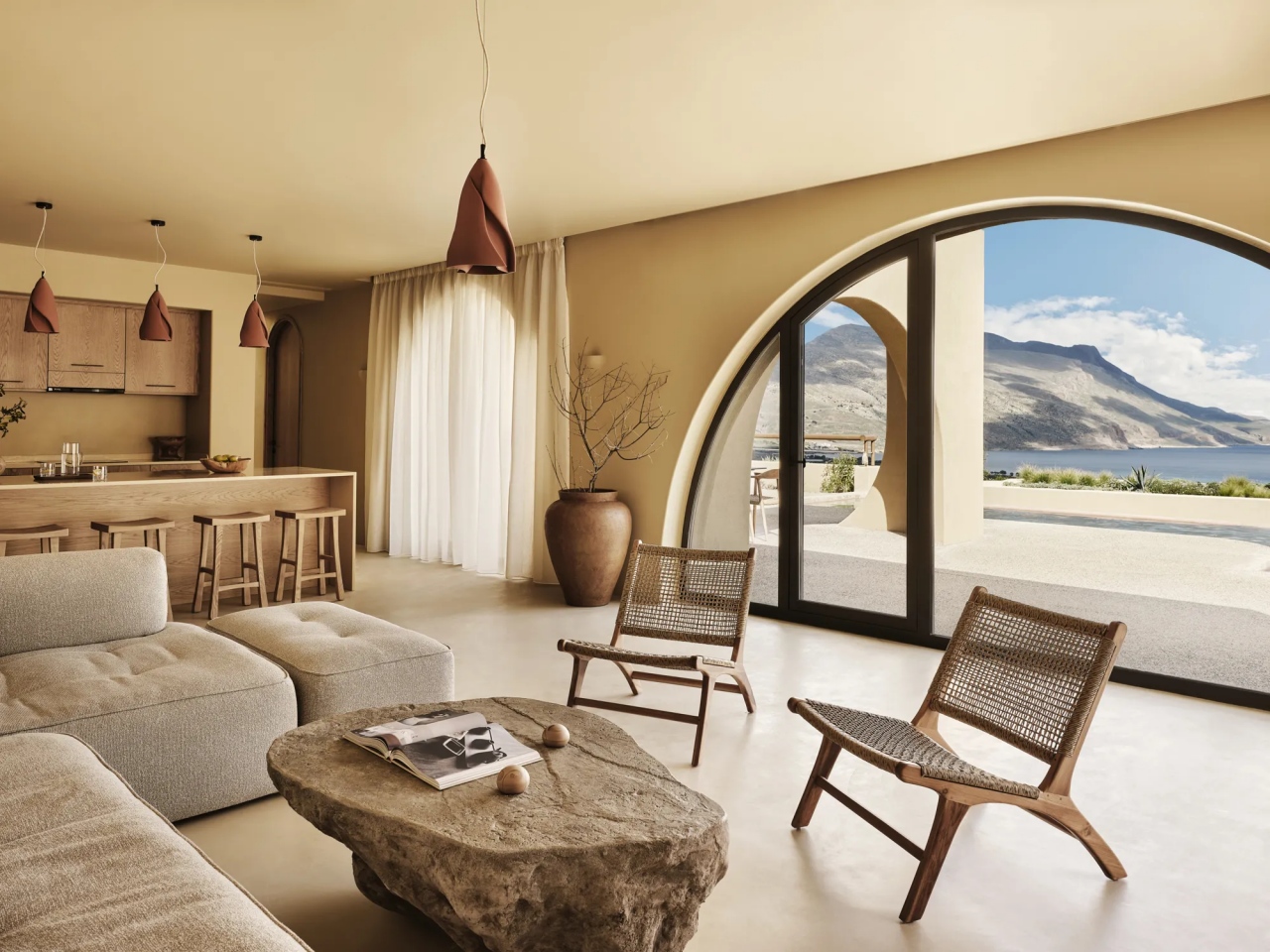
Local materials, handcrafted furnishings, and repurposed olive trees reinforce the connection to place, while a zero-waste kitchen and seasonal, locally sourced menu extend this ethos to the table. As one of the visionaries behind the hotel, Chevon Low explains, the goal was to create a place where buildings “follow the natural slope of the land”, with every decision rooted in respect for the environment and the local community.
For more information and reservations, call +30 (0) 282 – 188 – 8007 or email: reservations@tellathera.com.
Sustainability In The Wild
Along the coast of Baja California, Nest Baja is where desert meets ocean and the landscape remains deliberately untamed. Built with a light footprint and a focus on material restraint, the property is designed to exist in close dialogue with its surroundings.
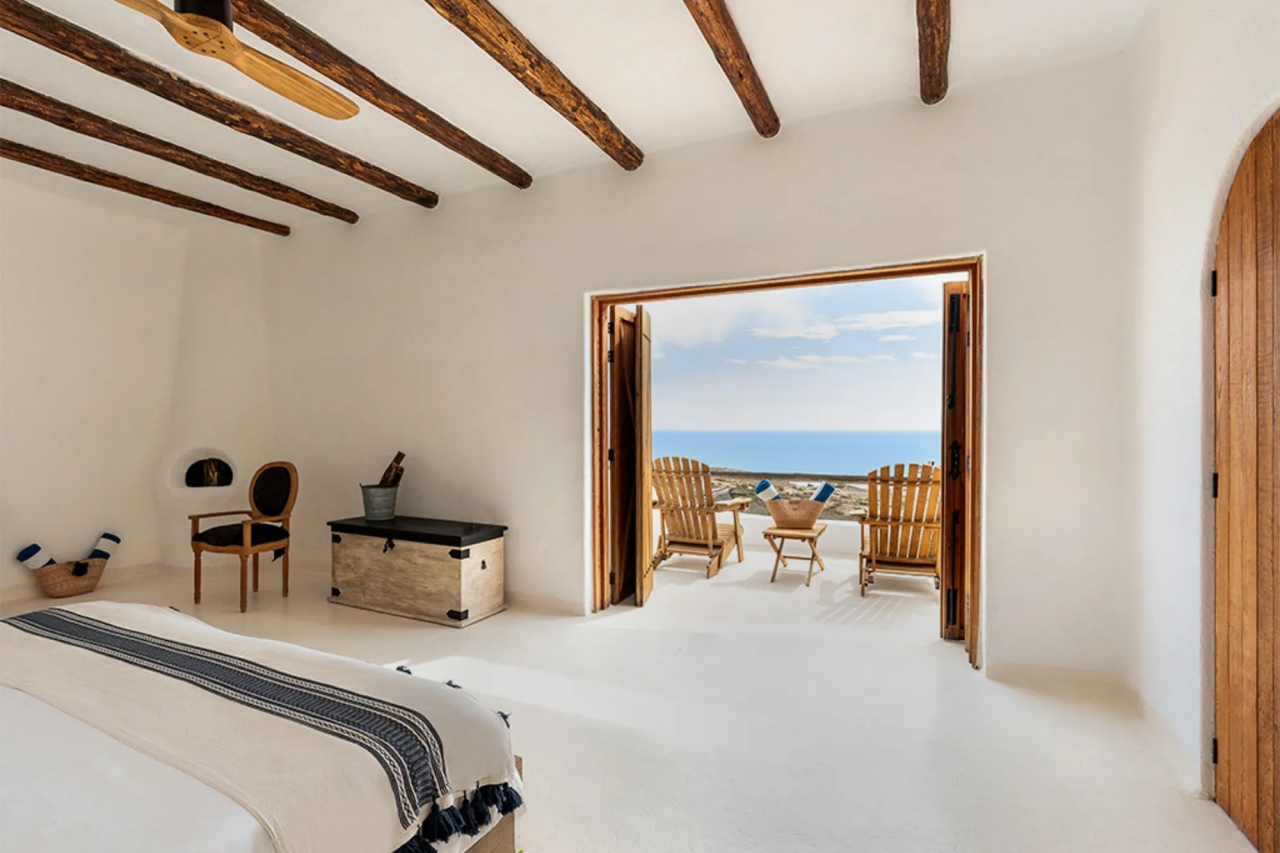
Off-grid systems, solar energy, and careful water management reduce reliance on external infrastructure, while locally sourced materials and low-impact construction methods preserve the raw character of the site. The architecture is simple and open, allowing wind, light, and horizon to define the experience. In the kitchen, a seasonal approach draws on regional produce and the coastal environment, with ingredients sourced from nearby fisheries and farms, reflecting the natural cycles of Baja’s land and sea.
For more information and reservations, call +1 386 – 317 – 2993 or email: reservations@nestbaja.com.
Where Nature Is Restored
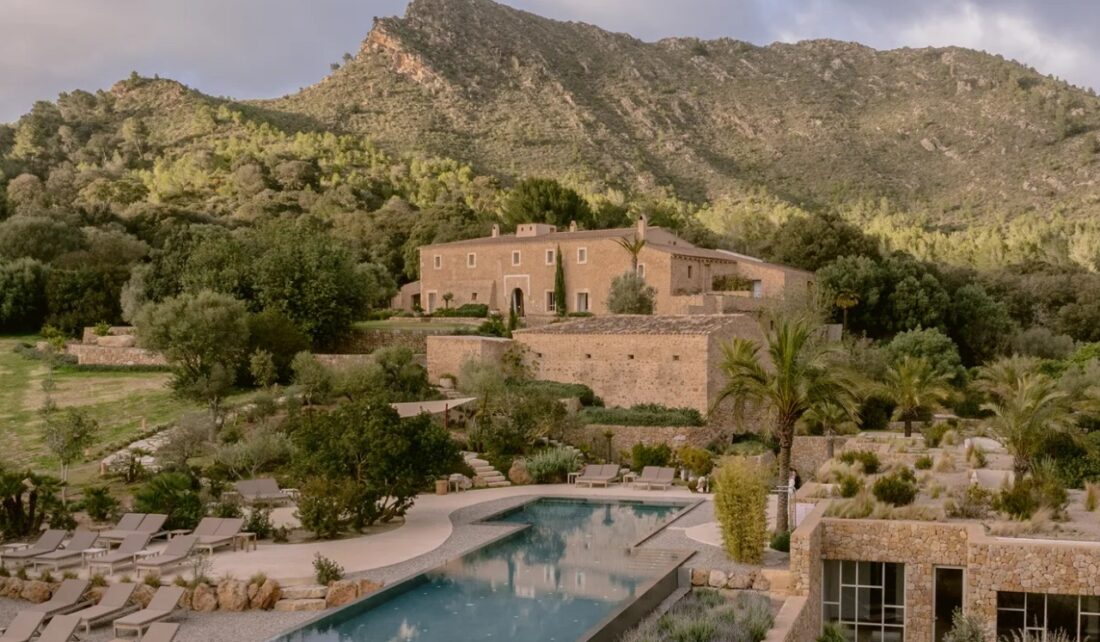
Es Racó d’Artà is set within a vast estate in Mallorca’s Llevant Natural Park, surrounded by almond groves and protected wilderness. The property operates as a regenerative estate, with organic farming and permaculture gardens integrated into daily operations and much of the kitchen’s seasonal produce grown on-site.
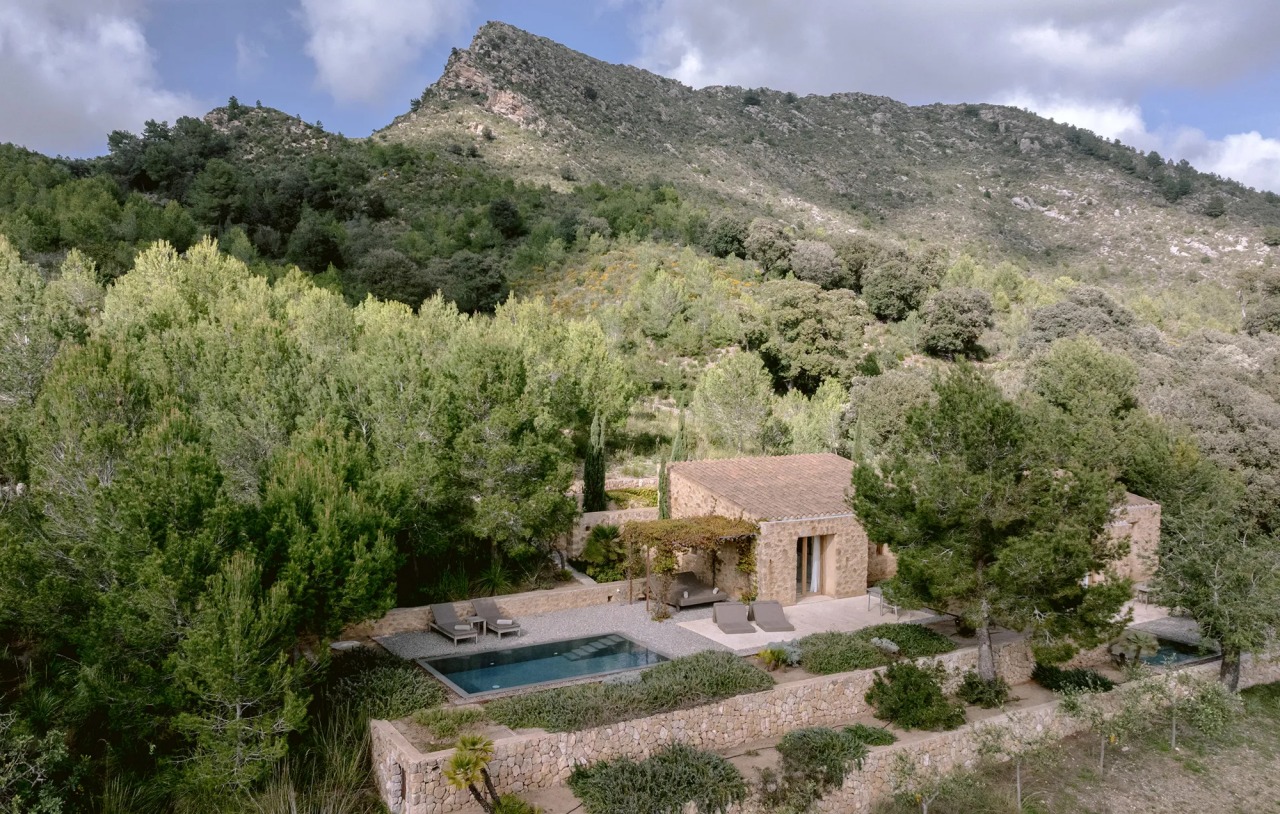
Water is managed through rainwater collection, filtration, and reuse systems adapted to the island’s dry climate. Across the land, restoration and rewilding initiatives support native biodiversity, while historic buildings have been restored using local stone, lime, and natural materials to preserve existing structures rather than replace them. Energy use is reduced through passive design principles and low-impact construction, allowing the buildings to sit lightly within the landscape they occupy.
For more information and reservations, call +34 (0) 971 – 836 – 673 or email: reservas@esracodarta.com.
Life In The Cloud Forest
Hotel Belmar in Costa Rica’s Monteverde region sits within a rare stretch of cloud forest, where mist moves through canopy and biodiversity defines the landscape. In a place like this, sustainability is a natural extension of its setting: the hotel is carbon neutral and works closely with its own farm, Finca Madre Tierra, where organic and biodynamic practices supply the kitchen and support a self-sustaining system. Energy, water, and waste are carefully managed to minimize impact on the environment.
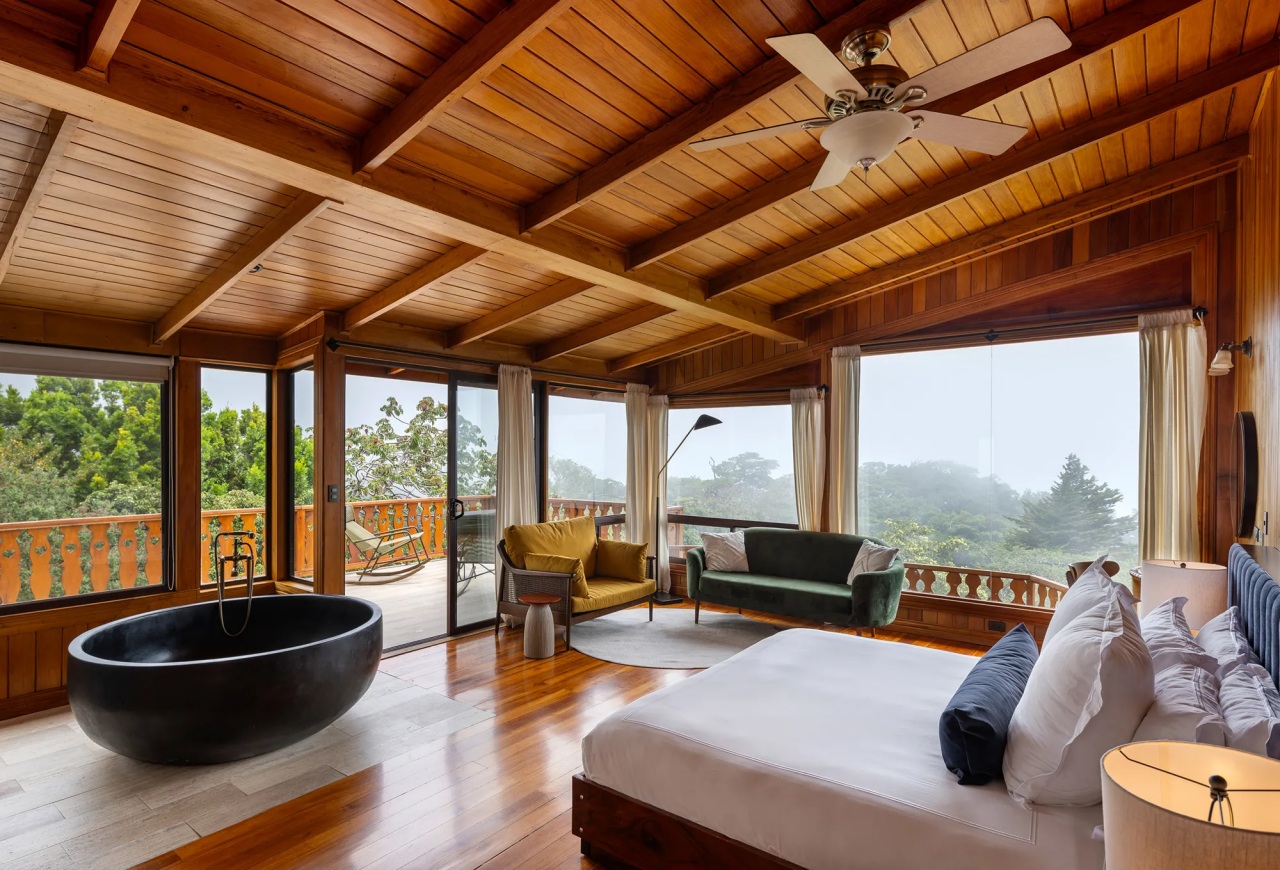
Beyond the farm, Hotel Belmar invests in the local community through education, training, and long-term professional opportunities, extending its impact beyond the land to the people who help protect it. As Pedro Belmar reflects, “Caring for the earth, animals, and people has always felt inseparable. The farm has become a living classroom.”
For more information and reservations, call +506 (0) 8953 – 6084 or email: info@hotelbelmar.net.
The Rhythm Of The Lake
Seegut Zeppelin sits on the edge of Lake Constance in Friedrichshafen, where a historic estate opens directly onto water, meadow, and sky. Once a private parkland, the property’s restored buildings are set across expansive grounds that remain largely open, preserving long sightlines between architecture and landscape.
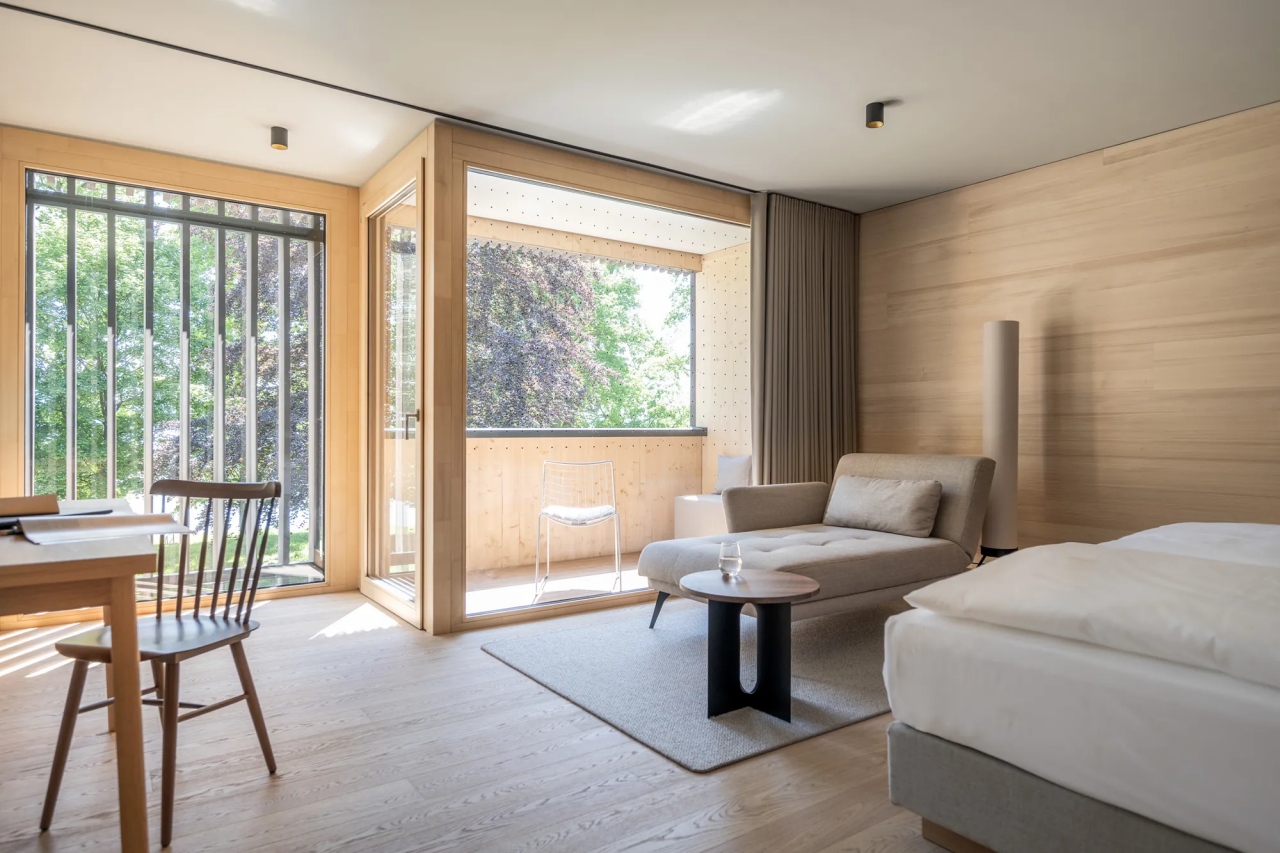
Energy-efficient systems, carefully selected materials, and a preservation-first approach guide the restoration, maintaining the character of the original estate while reducing environmental impact. In the kitchen, ingredients come from nearby farms and producers around Lake Constance, grounding the experience in the region’s agricultural landscape through seasonal, locally focused cuisine.
For more information and reservations, call +49 (0) 754 – 195 – 9360 or email: post@seegut-zeppelin.de.
At The Heart Of Nairobi
In Nairobi’s leafy diplomatic district, Tribe Hotel is a long-standing address known for its distinctive interiors and evolving collection of East African art. Certified with Green Key, the hotel operates with structured environmental standards that guide energy use, water management, and day-to-day operations.
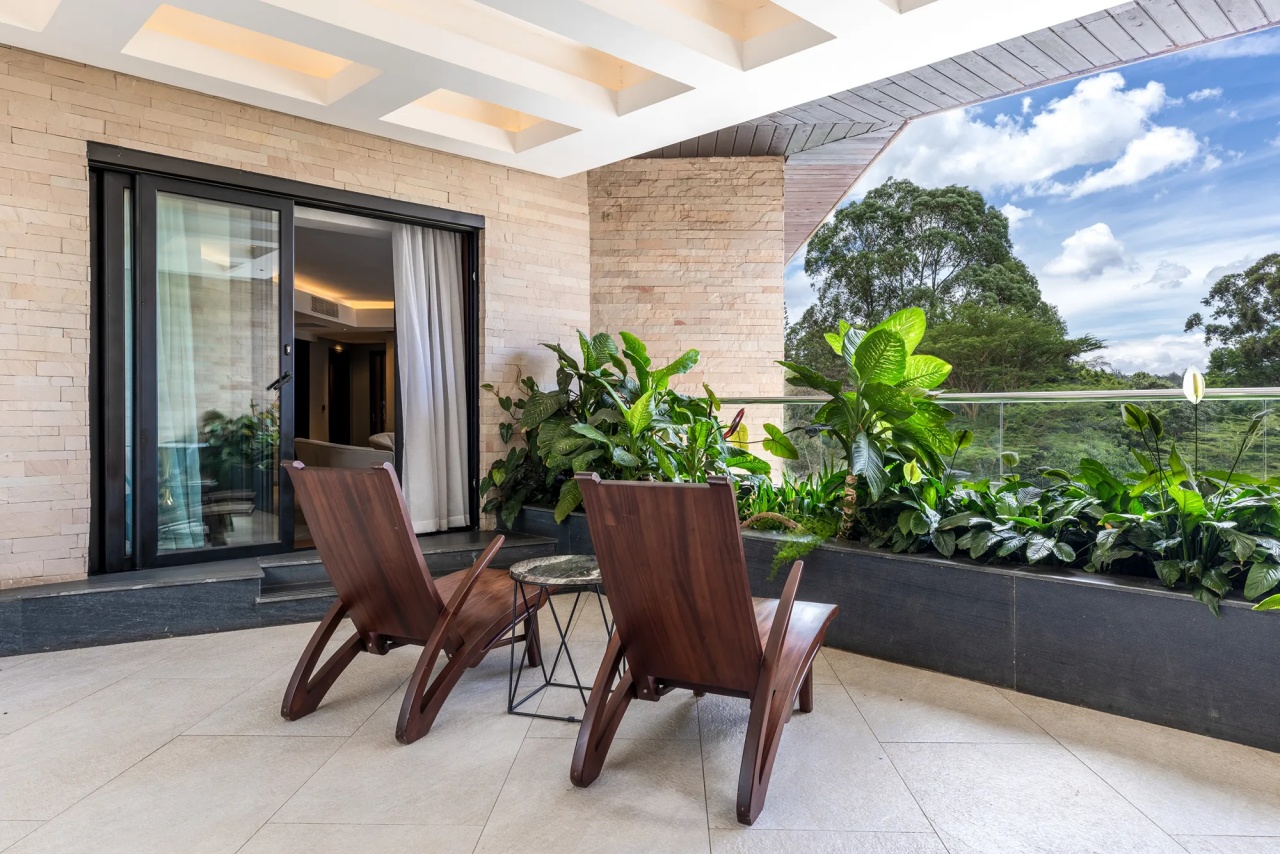
Sustainability extends into sourcing and production, with a focus on regional supply chains, locally made furnishings, and collaborations with Kenyan artisans that support craft. Across its restaurants and social spaces, seasonal menus draw on ingredients from nearby producers, reflecting a contemporary take on Kenyan cuisine shaped by its immediate surroundings.
For more information and reservations, call +254 (0) 207 – 200 – 000 or email: reservations@tribehotel-kenya.com.
Source: Design Hotels.

 English
 Arabic
 Chinese (Simplified)
 Danish
 Dutch
Dutch Filipino
 Finnish
 French
 German
 Greek
Greek Hindi
Hindi Hungarian
 Indonesian
 Italian
 Japanese
 Korean
 Malay
Malay Norwegian
 Polish
 Portuguese
 Romanian
 Russian
 Spanish
 Swedish
 Thai
Thai Turkish
 Vietnamese